
A Guide to Sidedressing: Delayed Nitrogen Application and Yield Improvement
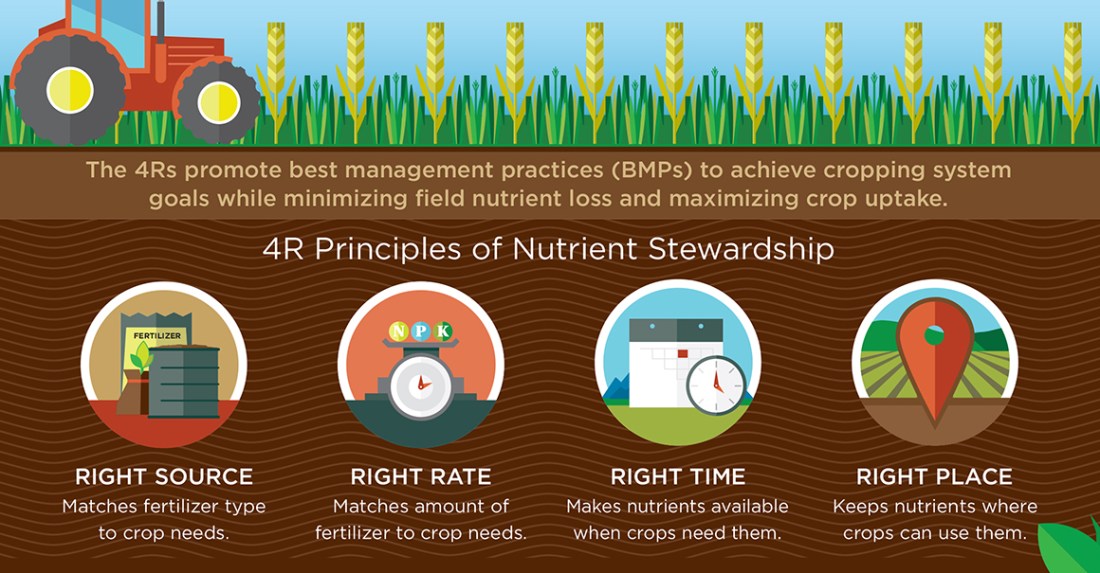
Improve your growing season by applying nitrogen to your crops when and where it matters most. When you add sidedressing to your operation, your crops will have enough nitrogen to optimize your yield and profitability. Most nitrogen is used by the crop during its initial growth, as sidedressing enables maximum growth and yield by replacing nitrogen lost during that initial crop growth period. However, there are some instances that encourage nitrogen application after the corn has already emerged. Below are some best practices if you are considering delayed sidedressing and nitrogen application:
Sidedressing Do’s and Don’ts
- DO sidedress soil that has lost nitrogen between April and June
- DO sidedress on well-drained, sandy soils and heavy-textured, poorly-drained soils
- DO NOT sidedress unless there is early season nitrogen loss
Advantages of sidedressing and delayed nitrogen application
- Increases use of fertilizer by the crop
- Utilizes pre-plant application time for corn planting
Disadvantages to delayed application
- Less time to complete application
- Dry, unpredictable weather wards off surface-applied nitrogen, making it unavailable to crop
Earliest time for nitrogen sidedressing
- As early as you can enter your field without injuring young corn (often between 4 to 6 inches tall or 4 to 8 leaf stage)
Latest time for nitrogen applications
- Before the 8-leaf stage, as corn utilizes nitrogen most during its grand growth stage; apply before the 10-leaf stage for most hybrid corns
Best nitrogen source
- Ammonia or nitrogen solutions knifed in
- Ammonium nitrate over top of crop
- Granular urea, if clean and tilled
Note: Both granular and urea and ammonium nitrate broadcast in standing corn will cause some foliar burn. Nitrogen solutions should not be sprayed directly on foliage, as it will cause extensive burn.
Article by New Holland Resource Center
Cover Crop Seeding Methods

What cover crops do you intend to plant?
Generally, grasses and large-seeded legumes should be planted 1″ to 1.5″ deep. Smaller seed should be planted 0.25″ to 0.5″ deep. Drills and planters will achieve more precise placement in the soil, while broadcast methods are more successful with seeds requiring less soil cover.
Read about specific types of cover crops for more information about planting depth and seeding rates.
What is your planting window?
It is important to know how much time you have to seed cover crops for timely establishment. As a general rule of thumb, some experts suggest cover crops should grow at least four to six weeks to justify the time and expense, although late planting may still offer protection against erosion.
Always have a back-up plan! Alternate planting techniques should be considered if harvest is delayed due to weather or other issues.
What equipment do you already own?
Get more acreage out of your drill, precision planter, or vertical tillage equipment by planting cover crops. With only a few minor adjustments, your precision planter or no-till drill will be ready to accurately seed cover crops for a successful stand. You could also consider broadcasting and incorporating cover crop seed as part of your vertical tillage system to save time and reduce field traffic.
If you’re just starting out, try using more than one method to spread out your risk and find out what works on your farm. Whichever seeding method you choose, adding cover crops to your rotation can make your drill, planter, or vertical tillage implement even more valuable to your operation.
Article provided by Great Plains
 swiderski.blog